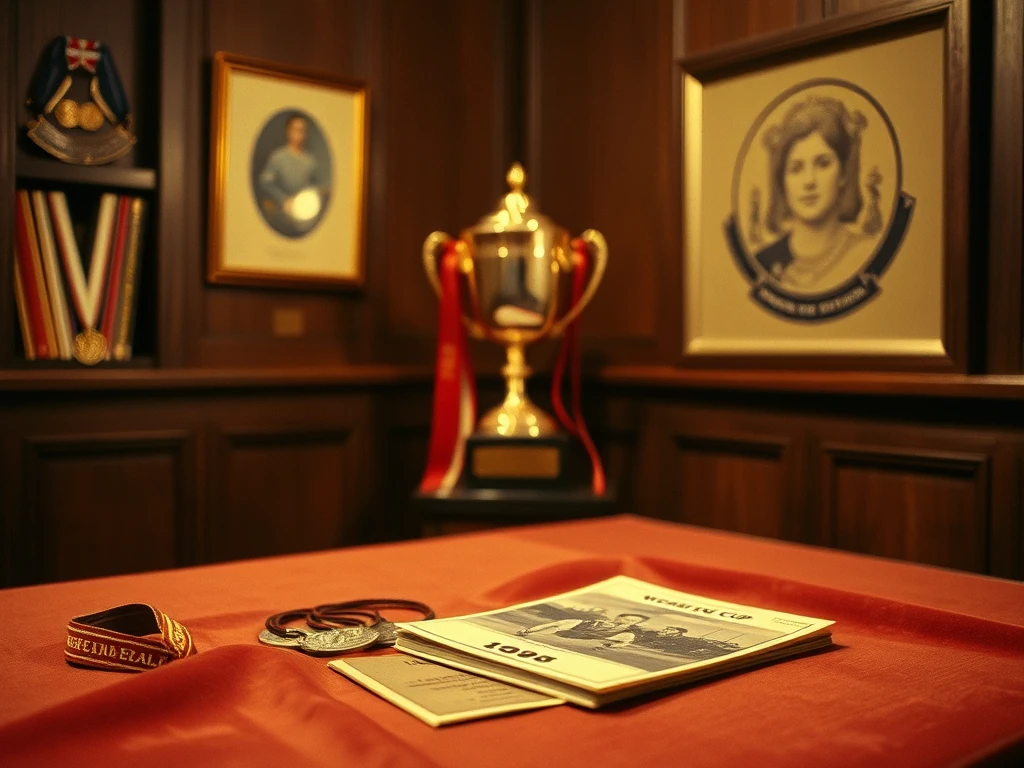

In the landscape of women's football, few moments resonate as deeply as Everton Women’s triumph in the 1995 FA Women’s Cup. This victory was not merely a trophy win; it was a historic turning point that showcased the potential of women's football in England and laid the foundation for future generations of female athletes.
The Toffees faced off against the formidable, and at the time, dominant Doncaster Belles in the final held at Wembley Stadium. Under the management of the legendary Mo Marley, Everton showcased a blend of skill, determination, and tactical acumen that would etch their name into the annals of football history. With a determined squad that included notable players such as the prolific forward, Rachel Yankey, and the resilient goalkeeper, Sarah Youds, Everton approached the match with a sense of purpose and ambition.
The build-up to the final was electric. Everton had mounted an impressive campaign throughout the tournament, defeating several strong contenders along the way. Fans rallied behind the team, filling the stands at Wembley and creating an atmosphere that underscored the significance of the occasion. For many supporters, this was not just a match; it was a celebration of women's football and a statement of intent that the sport was here to stay.
On the day of the final, the tension was palpable. The match kicked off with both teams eager to assert their dominance, and it quickly became clear that this clash would be a battle of wills. Everton’s defense held firm against the Belles' early pressure, while their midfielders orchestrated play with precision and creativity. As the game progressed, it was evident that Everton's well-drilled tactics were delivering results.
The decisive moment arrived in the second half when Everton's relentless attacking finally bore fruit. A well-placed cross found its way to the feet of the Toffees' striker, who deftly slotted the ball past the Doncaster goalkeeper, sending the Everton fans into raptures. The goal was a testament to the hard work and dedication the team had put in throughout the season, and it epitomized the spirit of the Toffees.
As the final whistle blew, the scoreline reflected not just a victory but the dawn of a new era in women’s football. Everton Women lifted the FA Women’s Cup, and with that, they not only claimed silverware but also sent a powerful message that women’s football was gaining momentum. This win was a beacon of hope and inspiration for future players, proving that dreams could be realized, and that success was within reach.
The 1995 FA Women’s Cup victory continues to resonate within the club's culture and identity. It laid the groundwork for future successes and galvanized the support for women’s football, contributing to the rapid growth of the sport in the UK. Today, as the Everton Women strive for glory in the Women’s Super League, they carry with them the legacy of that triumphant day at Wembley, a reminder of what can be achieved with hard work, passion, and unwavering belief.
In conclusion, the 1995 FA Women’s Cup triumph was not just a moment in time; it was a catalyst for change in women’s football. As we celebrate the achievements of the Toffees today, we must remember the pioneering spirit of that team and continue to uplift and support the development of women’s football for generations to come.